A muscle fiber holds only enough ATP for a couple of seconds of hard work, yet you can sprint for ten seconds, run hard for a minute, or walk all day. This page explains the muscle energy systems that keep ATP topped up: creatine phosphate for the first seconds, anaerobic glycolysis for the next minute or two, and aerobic respiration for everything longer. It also covers myoglobin, what actually causes muscle fatigue, and why you keep breathing hard after you stop.
Why muscle needs a constant ATP supply
You met ATP as the cell's energy currency. A working muscle fiber spends it in three places:
- Cross-bridges. Every cross-bridge cycle splits one ATP, and releasing each myosin head from actin needs a fresh one.
- The SR's calcium pump. Every relaxation needs ATP to pump calcium back into the sarcoplasmic reticulum.
- The sodium–potassium pump. Each action potential lets some sodium in and potassium out, and the pump restores them.
During an all-out sprint, a muscle can use ATP a hundred times faster than at rest. Yet the ATP stored in a fiber is small: at a sprint, it would last about 2 seconds. And ATP in a working muscle barely falls, even during hard exercise, because the fiber remakes ATP as fast as it spends it. It has three ways to do this, and they differ in speed and in how long they last.
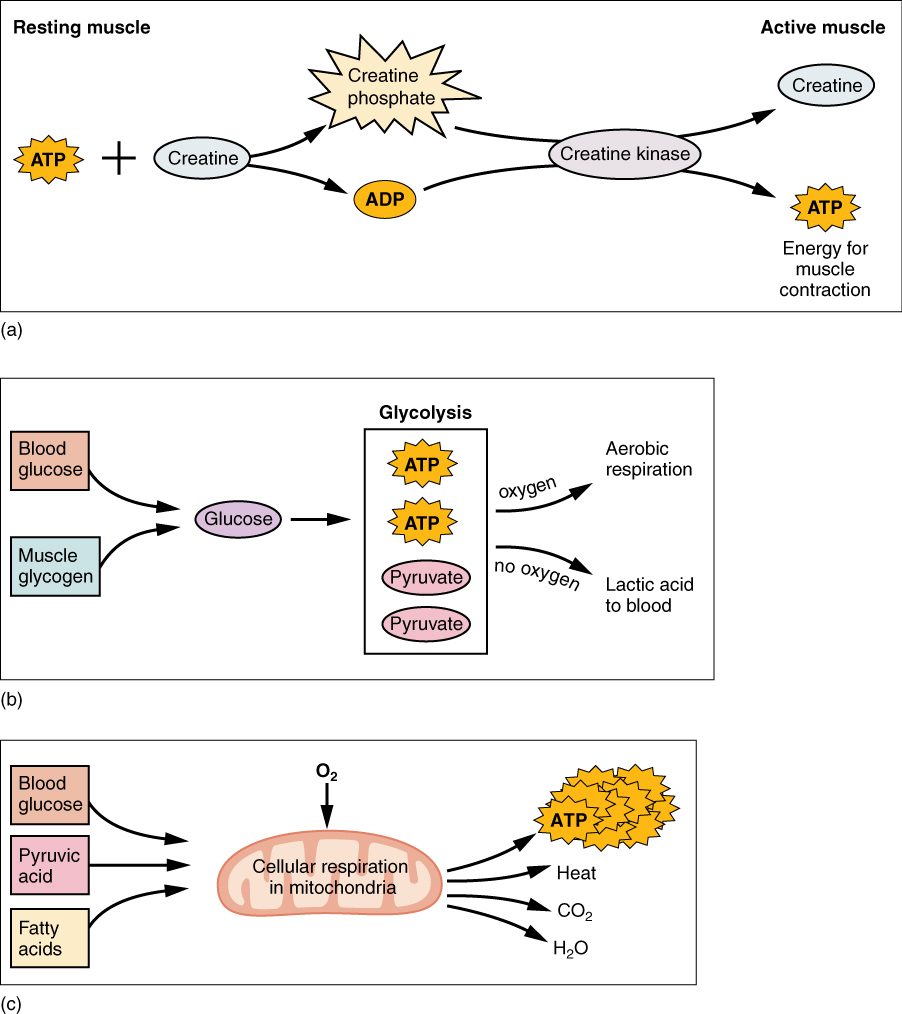
Figure 1 sets the three side by side. Each is taken in turn below.
Creatine phosphate: the first seconds
Picture a sprinter leaving the blocks, or you jumping to catch a ball. For the first several seconds of an explosive effort, most of the new ATP comes from a molecule already waiting in the fiber.
Creatine phosphate (also called phosphocreatine) is a small molecule that stores a high-energy phosphate group in resting muscle. The enzyme creatine kinase (kin- = move, -ase = enzyme; a kinase moves a phosphate group) transfers that phosphate to ADP in one step:
creatine phosphate + ADP → creatine + ATP
- Very fast. One reaction, right beside the myosin heads, with no oxygen needed.
- Short-lived. A fiber holds about four times as much creatine phosphate as ATP. Together, stored ATP and creatine phosphate power roughly 10 seconds of all-out work.
- Refilled at rest. The reaction runs both ways. When the fiber is resting and ATP is plentiful, creatine kinase uses ATP made by the mitochondria to rebuild creatine phosphate. About half is restored in 30 seconds and nearly all within a few minutes, which is why sprinters rest between repeats.
Worked example 1: how long do the stores last?
Problem. A kilogram of leg muscle holds about 6 millimoles (mmol) of ATP and about 24 mmol of creatine phosphate. In an all-out sprint, it spends about 3 mmol of ATP per second. Ignoring the other energy systems, how long would stored ATP alone last, and how long would ATP plus creatine phosphate last?
- Stored ATP alone. Time = amount ÷ rate = 6 mmol ÷ 3 mmol per second = 2 seconds.
- ATP made from creatine phosphate. Each creatine phosphate remakes one ATP, so 24 mmol of creatine phosphate can supply 24 mmol of ATP.
- Total ATP available. 6 + 24 = 30 mmol.
- Time for both. 30 mmol ÷ 3 mmol per second = 10 seconds.
Answer. About 2 seconds from stored ATP alone, about 10 seconds with creatine phosphate. In practice ATP never falls that far, because glycolysis speeds up within seconds and shares the load.
Anaerobic glycolysis in muscle: the next minute or two
Run 400 meters flat out, and by the second half your legs burn and your pace sags. For efforts lasting from about 10 seconds to a couple of minutes, much of your ATP comes from glycolysis running far faster than your mitochondria can keep up with.
Anaerobic glycolysis in muscle (an- = without, aer- = air; glyco- = sugar, -lysis = splitting) is the fast production of ATP by splitting glucose to pyruvate and turning the pyruvate into lactate, without using oxygen. You met the pathway in How cells make ATP. In muscle:
- The glucose comes mainly from glycogen stored in the fiber itself, with some taken up from the blood. Your muscles hold about 400 g of glycogen in all. Muscle glycogen serves only the fiber that stores it; muscle lacks the enzyme that would release free glucose into the blood.
- It is fast. Glycolysis makes ATP roughly twice as fast as aerobic respiration can.
- It is wasteful. It yields only 2 ATP per glucose (3 when the glucose comes from glycogen, which enters the pathway already carrying a phosphate), compared with about 30 to 32 when the glucose is fully burned with oxygen.
- It makes lactate. Converting pyruvate to lactate regenerates NAD+, which glycolysis needs to keep running.
When does a fiber make lactate?
Not only when oxygen runs out. Lactate forms whenever glycolysis produces pyruvate faster than the mitochondria can take it in, and that happens at high work rates even when the fiber has oxygen. So "anaerobic" describes the pathway, which uses no oxygen, not a fiber with no oxygen at all.
What happens to the lactate
Lactate is not a waste product. It leaves the working fibers and is used as fuel:
- Neighboring fibers working at a steadier pace, and your heart muscle, take it up, turn it back into pyruvate and burn it in their mitochondria.
- Your liver rebuilds glucose from it, and that glucose can return to the muscles in the blood.
Blood lactate is back to its resting level within about an hour after hard exercise.
Aerobic respiration in muscle: everything longer
Walk, cycle or jog for more than a few minutes, and over 95 percent of your muscles' ATP comes from their mitochondria.
Aerobic respiration in muscle is the complete breakdown of fuel with oxygen in the fiber's mitochondria, producing CO2, water and about 30 to 32 ATP per glucose. Compared with glycolysis it is:
- Efficient: about 15 times more ATP per glucose.
- Flexible in its fuel: glucose, fatty acids from fat stored in and around the fibers, lactate, and a little from amino acids. At rest and in gentle exercise, fatty acids supply most of the fuel. As intensity rises, the share from glucose and glycogen rises.
- Slower to start and slower per second: it needs oxygen delivered by the blood, and each step takes time. It can run for hours, as long as fuel and oxygen arrive.
Worked example 2: glucose needed for the same ATP
Problem. A fiber needs 62 ATP. How many glucose molecules must it use if it makes the ATP by anaerobic glycolysis alone, and how many if it uses aerobic respiration (take 31 ATP per glucose)?
- Anaerobic glycolysis. 2 ATP per glucose. Glucose needed = 62 ÷ 2 = 31 glucose molecules.
- Aerobic respiration. 31 ATP per glucose. Glucose needed = 62 ÷ 31 = 2 glucose molecules.
- Compare. 31 ÷ 2 = 15.5, so anaerobic glycolysis uses about 15 times more glucose for the same ATP.
Answer. 31 glucose molecules anaerobically, 2 aerobically. This is why hard efforts drain muscle glycogen so quickly.
The energy systems overlap
A common picture shows the three systems switching on one after another, like relay runners. That is not how they work. All three run all the time; what changes is how much each contributes (Figure 2).
| Creatine phosphate | Anaerobic glycolysis | Aerobic respiration | |
|---|---|---|---|
| Fuel | Creatine phosphate | Glucose, mostly from muscle glycogen | Glucose, fatty acids, lactate, some amino acids |
| Oxygen used | No | No | Yes |
| Where | Cytosol, beside the myofibrils | Cytosol | Mitochondria |
| ATP per unit of fuel | 1 per creatine phosphate | 2 per glucose | About 30–32 per glucose |
| Speed of ATP supply | Fastest | Fast | Slowest |
| Main role in all-out effort | First ~10 seconds | ~10 seconds to 1–2 minutes | Beyond ~1–2 minutes, and all gentle activity |
| By-products | Creatine | Lactate | CO2 and water |
| Example | A jump, a throw, a 60 m sprint | A 400 m run | A marathon, a long walk |
Myoglobin
Cut a chicken leg and a chicken breast. The leg meat is darker. The difference is mostly one protein.
Myoglobin (my/o = muscle, glob- = ball, -in = protein) is a red, oxygen-binding protein in the cytosol of muscle fibers. Each molecule holds one iron-containing group that binds one O2. It does two jobs:
- A small oxygen store. Myoglobin binds oxygen more tightly than the oxygen carrier in your red blood cells does. It holds onto its O2 while the fiber is well supplied and releases it only when oxygen inside the fiber falls very low, as at the start of exercise or during a strong contraction that squeezes the fiber's capillaries shut.
- A shuttle. Oxygen hops from myoglobin to myoglobin across the cytosol, which speeds its movement from the fiber's surface to the mitochondria.
Fibers that rely on aerobic respiration are packed with myoglobin and mitochondria, and look dark red. Diving mammals such as seals have so much myoglobin that their muscle looks almost black.
Muscle fatigue
Hold a heavy bag at arm's length. After a minute your arm shakes and drops, even though you are trying as hard as you can.
Muscle fatigue (fatig- = to tire) is a decline in a muscle's ability to produce force or power during repeated or sustained activity, which recovers with rest. It has two broad sources:
- Central fatigue: the brain and spinal cord send weaker drive to the motor neurons. Encouragement, or an electric shock to the nerve, can often squeeze out more force.
- Peripheral fatigue: changes inside the muscle fibers themselves.
What changes inside a tired fiber
Researchers are still weighing the causes, and they differ by task. The best-supported ones are:
- Phosphate builds up. Breaking down creatine phosphate and ATP releases inorganic phosphate. It weakens each cross-bridge's pull, and it reduces the calcium the SR can release.
- Less calcium is released. With less calcium on troponin, fewer cross-bridges form at each action potential.
- Glycogen runs low. In endurance events lasting well over an hour, muscle glycogen can be used up. Runners call this "hitting the wall". Fat burning alone cannot supply ATP fast enough, and pace drops sharply.
- Acid and ion shifts. Hard work makes the fiber more acidic and lets potassium build up outside it. Each probably contributes, but less than was once thought.
What does not happen is ATP running out. Even in severe fatigue, ATP in a fiber stays near three quarters of its resting level. Fatigue slows the cross-bridges and the calcium release before ATP can fall far. If ATP did run out, myosin heads could not detach from actin, and the fiber would lock rigid, as in rigor mortis.
Lactate does not cause fatigue or next-day soreness
Lactate rises during hard exercise, which is why it was long blamed for fatigue. But lactate is a fuel, not a poison, and adding lactate to rested muscle does not weaken it. The acid of hard exercise comes from the whole process of splitting glucose and spending the ATP it yields. The soreness you feel one or two days after unaccustomed exercise, especially eccentric work such as downhill running, comes from small injuries inside the fibers and the repair that follows, not from lactate, which is gone within an hour.
Excess post-exercise oxygen consumption
Sprint up two flights of stairs and stop. You keep breathing hard for several minutes, although you are standing still.
Excess post-exercise oxygen consumption (EPOC) is the extra oxygen your body uses after exercise, above its resting use, while it recovers. It pays for:
- Rebuilding ATP and creatine phosphate by aerobic respiration: the fast part, mostly over within a few minutes.
- Reloading oxygen onto myoglobin and into the blood.
- Clearing lactate, by burning it or turning it into glucose in the liver.
- The raised costs of recovery: a warmer body, which speeds every reaction; hormones released during exercise; the extra work of breathing and circulating blood; and repairing and restocking the muscle. This slow part can last an hour or more after long, hard exercise.
The harder the exercise, the larger the EPOC: a hard sprint leaves more than a gentle stroll of the same length.
Putting it together
A muscle fiber keeps its ATP from falling far by remaking it almost as fast as it is spent. Creatine phosphate covers the first seconds; anaerobic glycolysis covers the next minute or two, quickly but wastefully, producing lactate that other tissues burn; aerobic respiration, supplied by myoglobin and the blood, covers everything longer. All three overlap. Fatigue sets in from phosphate buildup, reduced calcium release and, in long events, glycogen depletion, well before ATP runs out, and EPOC pays the costs of recovery afterward.