AP® Psychology · free to start 2027 exam
AP®Psychology
AP® Psychology, from neuron to society.
every concept, applied
Each topic taught from scratch for the May 2027 exam, then practice that asks you to apply each concept to a new situation, and written answers built part by part the way the readers score them.
Pick up where you left off
Article analysis studio →
- Every notes page free
- Unit 1 lessons free
- Unit sheets free to print
- Progress saved on your device
OTMade by Olivier Testa, an EMT who passed the NREMT studying with LevlPrep. Why I built it
In this course
Each unit's share of the exam, from the course framework. Every notes page is free; the lessons in Unit 1 are free too. The units in framework order, then the research skills you need: methods and variables, sampling, ethics, descriptive statistics, the normal curve, correlation, and significance and effect size, each placed just before the topic that first needs it. Pick a unit to open its lessons and practice.
- 01Biological Bases of Behavior6 topics15 to 25%lessons free
- 02Cognition8 topics15 to 25%of the exam
- 03Development and Learning9 topics15 to 25%of the exam
- 04Social Psychology and Personality7 topics15 to 25%of the exam
- 05Mental and Physical Health5 topics15 to 25%of the exam
- S1Research skills you need7 topics, a skills trackSkillsalongside the units
75 questions multiple choice · 90 minutes2 free response article analysis and evidence · 70 minutesComing soon every option explainedFull length both sections, timed, one free
L1
Curious Observer
Level 1 · 0 XP · 0 / 100 XP to Level 2. One level and one streak count across every LevlPrep course.
Units0%Research skills you need0%
Start here
Interaction of Heredity and Environment
Unit 1 · Biological Bases of Behavior. Unit 1 lessons and every notes page are free.
Start the first lessonReview queue
Missed questions come back
Anything you miss returns when you are about to forget it, not on a fixed date.
Open review →Today’s goal
A little every day
Questions, cards and tool steps count toward a daily goal and a streak shared across every LevlPrep subject. 15 practice questions a day are free.
Practice now →
The lead
Tools
All 10 tools →
Free
Everything to start
Start now, with no card.
Every notes page is free, and so are the lessons in Unit 1 and the research skills chapter. 15 practice questions a day are free too.
- Every notes page, the glossary, the flashcards and the printable unit sheets
- The statistics you must know, explained, and the cram-kit study plan outline
- Every lesson in Unit 1, and every "Research skills you need" lesson
- 15 practice or review questions a day from any unit
- One full practice exam
- Three trainers: the article analysis studio, the neuron and the brain map
Start the first lesson
Premium · AP® Psychology
$17.50$25$25
Founding price until 31 January 2027. One pass, good through 30 June 2027, the end of the exam season.
- Every interactive lesson
- Unlimited practice and review from the whole question bank
- Every trainer: the evidence builder, sensation, memory, conditioning, development, social influence and the stats lab
- All free-response questions, unit tests and practice exams
- The cram kit: a study plan fitted to your weakest units, and timed mixed sets
- The full dashboard: mastery by unit, topic and science practice
Get Premium for AP® Psychology
Never renews. Full refund within 7 days.
Questions
What the course covers
5 units and 35 topics in the order of the course framework, for the May 2027 exam, plus a research skills chapter placed where each skill is first needed. Each topic has an interactive lesson, a free notes page and exam-style practice, and each unit a printable unit sheet. Practice questions that ask you to apply a concept to a new situation, as the exam does, many in sets that share one study summary, table or graph. Every option has its own explanation. The article analysis and evidence-based questions are drilled part by part: the method, the operational definition, the statistic, the ethics, the claim, the evidence and its source. The course is being built. Units appear here as each one passes its accuracy review.
Four steps, every time you study.
Open your dashboard.
- Read the lesson. It checks what you need first, then applies each concept to a situation, one step at a time.
- Answer as you go. Anything you miss goes into your review queue and comes back when you are about to forget it.
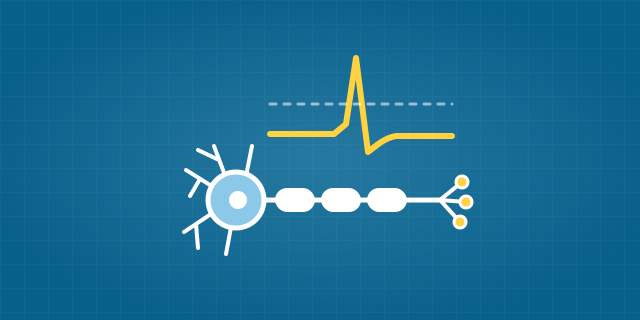
- Train the hard parts. Research methods, the neuron, the brain, memory, conditioning and the normal curve, each checked step by step.
- Check your mastery. Your dashboard shows it by unit, topic and skill, and every miss links to its lesson.
What kinds of questions are there?
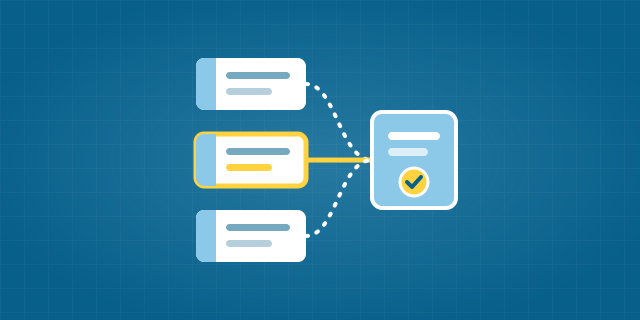
- 1Read the situation
- 2Pick the answer you would bet on
- 3See which concept explains it
Has this course been reviewed?
This course has not yet been reviewed by an AP® Psychology teacher. It follows the published course framework and open textbooks, listed on the Sources page. Spot a mistake?
Report a problem.
Is this course free?
Every notes page is free, and so are the lessons in Unit 1 and the research skills chapter. 15 practice questions a day are free too.
Is LevlPrep affiliated with the exam?
AP® is a trademark registered by the College Board, which is not affiliated with, and does not endorse, this site.
Who makes LevlPrep?
An independent project, not a company or a training program. Premium is an optional one-time pass, and
what is free is listed course by course. No ads.
How are the questions written?
Every question in every course is original, written for LevlPrep with an explanation on each one. Automated checks look for answer-position and length tells.
Sources and checks.
How do I see what changed?
Corrected questions, new lessons and site fixes are listed, dated, on
What’s new.