AP® Macroeconomics · free to start 2027 exam
AP®Macroeconomics
every graph, every shift
Each topic taught from scratch for the May 2027 exam, then practice that has you draw and shift every graph, and causal chains built link by link the way the readers score them.
Pick up where you left off
In this course
Each unit's share of the multiple-choice section, from the course framework.
- 01Basic Economic Concepts6 topics5 to 10%lessons free
- 02Economic Indicators and the Business Cycle7 topics12 to 17%lessons free
- 03National Income and Price Determination9 topics17 to 27%of the exam
- 04Financial Sector7 topics18 to 23%of the exam
- 05Long-Run Consequences of Stabilization Policies7 topics20 to 30%of the exam
- 06Open Economy: International Trade and Finance6 topics10 to 13%of the exam
Pick how you want to work
Scarcity Spotter
Level 1 · 0 XP · 0 / 100 XP to Level 2. One level and one streak count across every LevlPrep course.
Axes, Variables and Points
Graph skills you need. Its lessons and every notes page are free.
Start the first lessonMissed questions come back
Anything you miss returns when you are about to forget it, not on a fixed date.
Open review →A little every day
Questions, cards and tool steps count toward a daily goal and a streak shared across every LevlPrep subject. 15 practice questions a day are free.
Practice now →Tools
Everything to start
Start now, with no card.
Every notes page is free, and so are the lessons in the graph skills chapter and Units 1 and 2. 15 practice questions a day are free too.
- Every notes page, the glossary, the flashcards and the printable unit sheets
- The graphs and formulas you must know, explained, and the cram-kit study plan outline
- Every lesson in Units 1 and 2, and every "Graph skills you need" lesson
- 15 practice or review questions a day from any unit
- One full practice exam
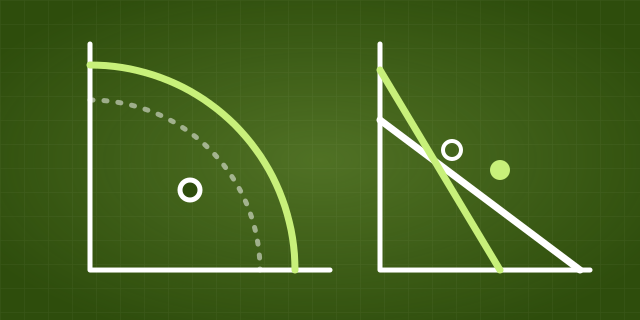
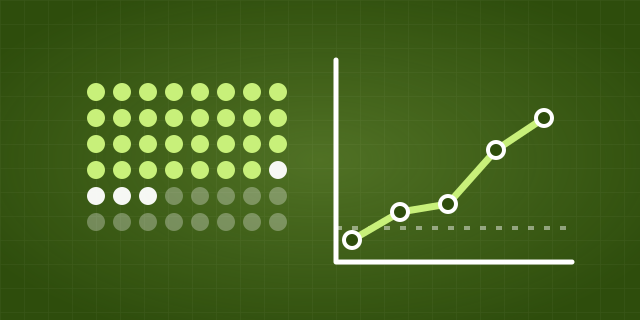
- Three trainers: the graph studio, PPC and trade, and the indicators lab
$17.50$25
Founding price, $25 from February 1, 2027. One pass, good through 30 June 2027, the end of the exam season.
- Every interactive lesson
- Unlimited practice and review from the whole question bank
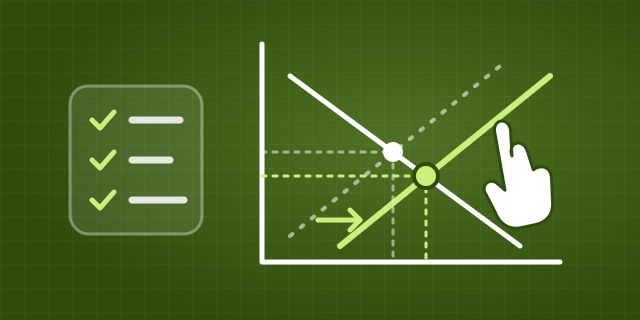
- Every trainer: the multiplier lab, the AD-AS lab, the reserves lab, the policy chain and the forex lab
- All free-response questions, unit tests and practice exams
- The cram kit: a study plan fitted to your weakest units, and timed mixed sets
- The full dashboard: mastery by unit, topic and skill
Full refund within 7 days · Never renews · Secure checkout by Polar
Compare Free and PremiumQuestions
What the course covers
Four steps, every time you study.
- Read the lesson. It checks what you need first, then applies each model to a situation, one step at a time.
- Answer as you go. Anything you miss goes into your review queue and comes back when you are about to forget it.
- Train the hard parts. Every graph, the multipliers, the reserve market, the policy chains and the foreign exchange market, each checked step by step.
- Check your mastery. Your dashboard shows it by unit, topic and skill, and every miss links to its lesson.
What kinds of questions are there?
- 1Read the situation
- 2Pick the answer you would bet on
- 3See which curve moved and why